Aluminum profile market supply and demand pattern Analysis of aluminum profile industry output
The aluminum profile industry, a cornerstone in sectors ranging from construction to automotive and electronics has experienced significant transformations
driven by evolving market demands and technological advancements. In recent years, aluminum profiles have gained prominence due to their lightweight
properties, corrosion resistance and superior thermal conductivity, positioning them as essential components in energy-efficient solutions.
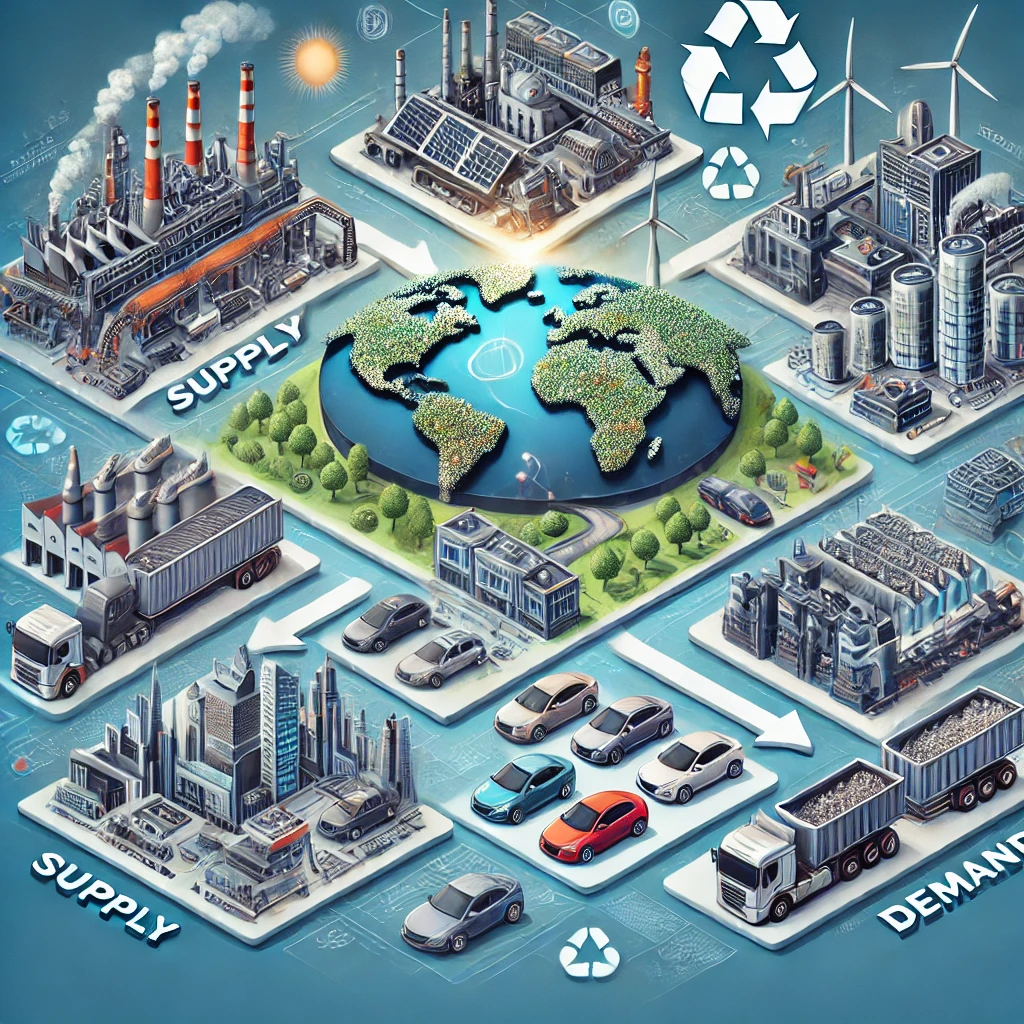
Global Market Overview: Shifting Supply and Demand
As the world continues to pivot towards sustainability, aluminum’s recyclability and energy-saving features have made it a preferred material, increasing demand
globally. However, the aluminum profile market has been navigating through complex supply and demand dynamics, influenced by factors such as:
Raw Material Supply Chain Volatility: The supply of primary aluminum, which is heavily dependent on bauxite mining, is influenced by geopolitical factors and
environmental regulations. Major producers such as China, Russia, and Canada dominate the market, but rising energy costs and trade restrictions have led to
periodic shortages.
Surging Demand in Key Sectors: The construction and automotive industries are major consumers of aluminum profiles. In the construction sector, demand is fueled by the trend
toward lightweight, eco-friendly materials, while in the automotive sector, the shift to electric vehicles (EVs) has intensified the need for aluminum components to
reduce vehicle weight and improve energy efficiency.
Regional Production Disparities: China leads global aluminum production, contributing more than half of the world's output. However, due to environmental
crackdowns and power shortages, Chinese aluminum production has faced challenges. Meanwhile, regions such as Europe and North America are working to increase
local production capacity to reduce reliance on imports, fostering regional trade flows and supply chain diversification.
Key Trends in Supply
Increasing Use of Secondary Aluminum
Recycling aluminum is becoming a critical part of the supply chain, as secondary aluminum production requires 95% less energy than primary production. Countries
like Germany and the U.S. are pushing for higher recycling rates to reduce reliance on mining and address environmental concerns. This trend is reshaping the industry,
as companies invest in recycling technologies to meet sustainability goals.
Technological Innovations in Production
Automation, 3D printing, and advanced extrusion processes are transforming aluminum profile production. These technologies are enhancing production efficiency,
reducing costs and enabling manufacturers to create more complex and customized designs for various industries.
Demand-Side Drivers
1.Electrification of Transportation
The rise of EVs is one of the most significant demand drivers for aluminum profiles. With governments pushing for greener transportation options, car manufacturers
are increasingly using aluminum to lighten vehicles, thus improving fuel efficiency and battery life. This shift has led to a surge in orders for extruded aluminum
components used in car bodies, battery housings, and heat sinks.
2.Infrastructure Development and Urbanization
Rapid urbanization, especially in developing economies, is driving the construction of energy-efficient buildings, skyscrapers, and infrastructure projects. Aluminum
profiles are integral to modern architecture, offering structural stability and aesthetic flexibility. This demand is particularly strong in regions like Southeast Asia, India
and Africa, where population growth and urban development are accelerating.
Market Outlook: Balancing Supply and Demand
The aluminum profile market is poised for growth, but the balance between supply and demand will depend on several key factors:
Sustainability Efforts: Companies are increasingly adopting greener production methods, reducing their carbon footprint, and enhancing recycling capabilities.
The demand for eco-friendly aluminum profiles is expected to rise as industries and governments prioritize sustainability.
Regulatory Impacts: Environmental regulations will continue to shape the industry, particularly in regions like the EU, where carbon emissions are tightly controlled.
Stricter regulations may push producers to adopt innovative technologies to remain competitive.
Trade Policies and Tariffs: Trade wars and tariffs on aluminum imports, especially between the U.S. and China, could affect global trade flows and pricing. Manufacturers
may look for alternative markets or localize production to avoid tariff-related disruptions.
Conclusion: Strategic Adaptation is Key
The aluminum profile industry is at a pivotal moment, with demand surging across key industries and supply facing significant challenges. Manufacturers must adapt
to these changing conditions by investing in technological innovation, enhancing recycling efforts, and navigating regulatory landscapes.By strategically managing
supply and demand, the aluminum profile industry will continue to thrive in the evolving global marketplace.
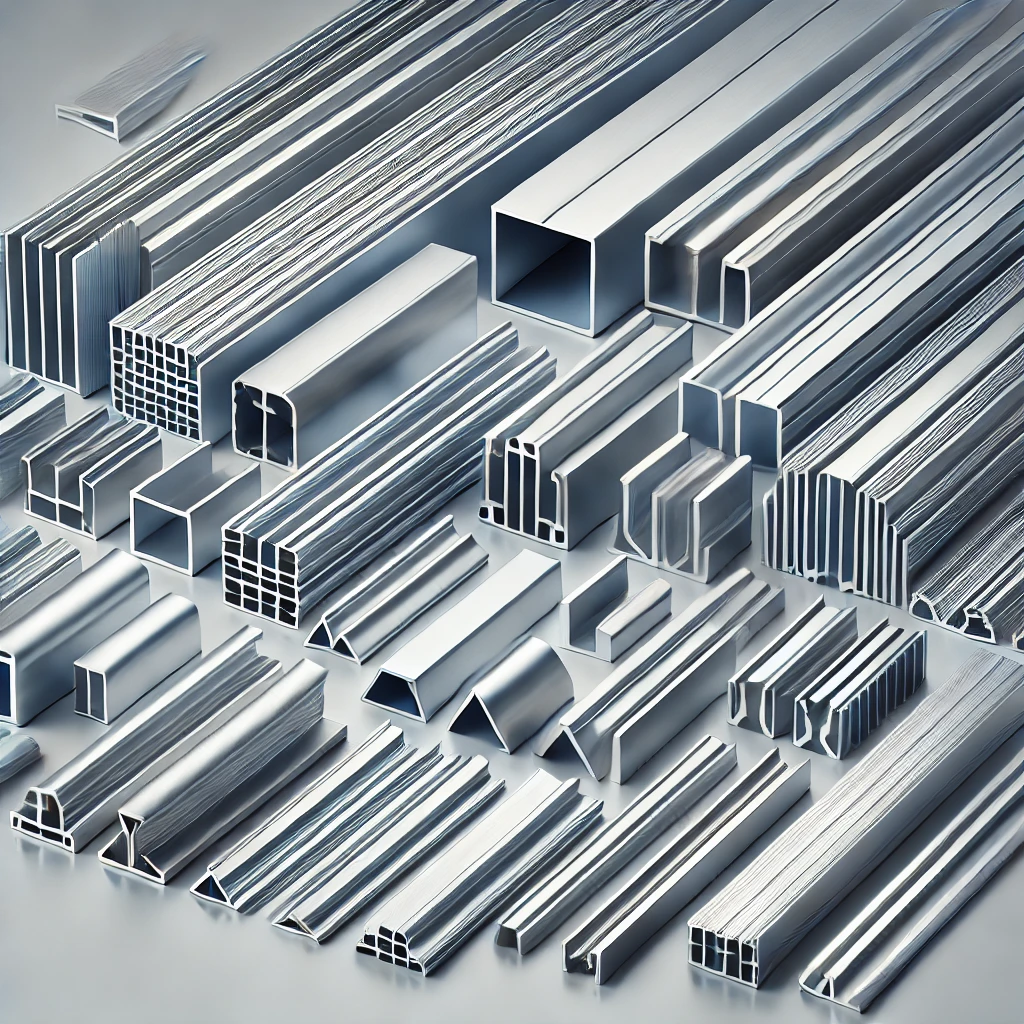 Aluminum profile market supply and demand pattern Analysis of aluminum profile industry output